Custom Software Development

Rapid application development for your first useful release

Turn one business workflow into an application your team can review and use. Burhani engineers prototype the flow, gather user feedback and build the agreed first release.

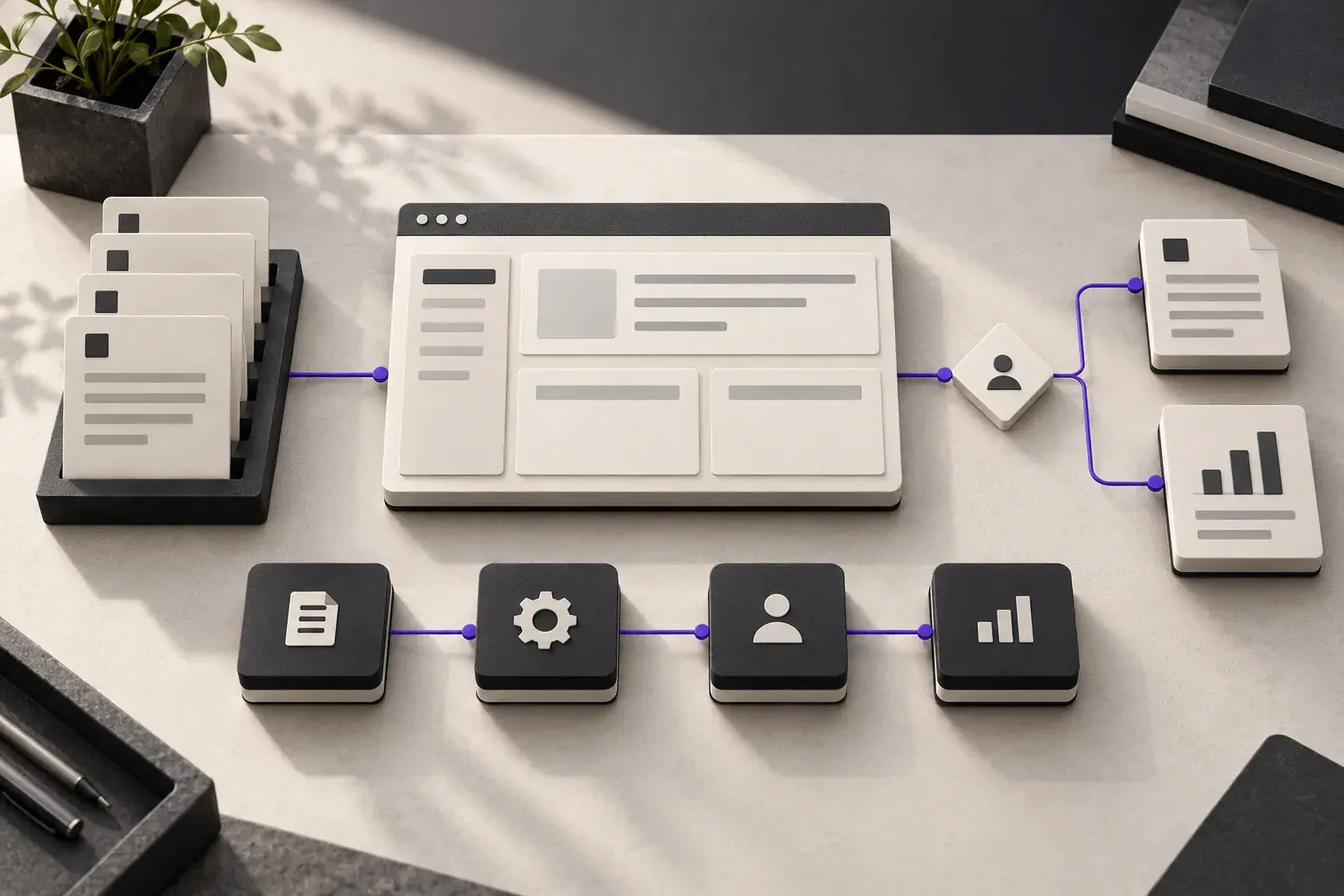
Conceptual illustration connecting business records, application rules, human review and reporting
Software planning illustration
  • Engineering-led prototypes and testing
  • A defined workflow and release scope

The starting point

Make the decisions your first release needs

Everyone agrees we need an app, but describes a different one.

Start with one workflow. A prototype lets users review the screens and decisions, so your team can agree what the application needs to do.

The demo looks right. We still do not know whether the workflow will work.

Check permissions, data rules and critical integrations alongside the screens. A prototype and a live application need different acceptance checks.

Our backlog keeps growing before anyone can use the first version.

Define one complete task for the first release. Keep later enhancements in the backlog and assess new requests against the agreed scope, cost and schedule.

What the work includes

Prototype, review and build one clear workflow

Our rapid application development services combine prototypes, user review and iterative development. Your team makes decisions about the workflow; our engineers design, build, integrate and test it. Start with a defined first release, then use feedback to decide what comes next.

Explore the delivery process
First-release scope

Agree the users, workflow, acceptance checks and exclusions. Identify who can approve decisions and changes.

Workflow prototypes

Review the main screens and interactions with the people doing the task before extending the design.

Working application

Build the records, validation, permissions and status changes needed to complete the agreed task.

Integration checks

Test the required connections and agree how the application handles unavailable systems or rejected records.

User feedback and testing

Review working increments against realistic scenarios. Distinguish defects, usability improvements and additional scope.

Release and handover

Plan deployment, access, documentation and handover. Agree support responsibilities before release.

What can you build with rapid application development?

A request portal, approval tool or customer application can be a useful starting point. Choose a task with clear users and review it from submission to completion, including missing information, unavailable reviewers and failed connections.

For a broader programme across departments and business systems, explore our custom software development service.

How is RAD different from an MVP or low-code development?

RAD is a delivery approach: prototype, review with users and develop through iterations. An MVP is a limited product for testing an assumption. Low-code is a technology choice. Your integration, access and maintenance requirements help determine the appropriate approach.

How is AI assistance assessed for your project?

Agree how AI tools may be used and what code or data they may receive before development starts. Engineers remain responsible for architecture, integration and testing. An AI feature inside your application needs its own scope and acceptance checks.

Relevant Burhani application experience

Explore how Burhani has built applications around specific users and business workflows:

Decide whether you need a prototype or a first live release

Agree what the engagement must deliver. The checks for a review prototype differ from those for an application people depend on.

On small screens, scroll horizontally to compare both options.

Decide whether you need a prototype or a first live release
DecisionPrototype for reviewFirst live release
Main purposeCheck a proposed workflow and gather feedback.Let an agreed user group complete a defined task.
Data and connectionsMay use sample records or clearly identified simulated responses.Needs agreed data handling and tested connections.
Access and errorsCan illustrate roles and error states.Needs implemented permissions, validation and failure handling.
AcceptanceUsers can review the flow and decide what should change.Passes agreed acceptance checks and has an operational owner.

From discovery to support

From the first prototype to an agreed release

Discuss your requirements
  1. 01Define the useful outcome

    Map the workflow, users and dependencies. Agree what the first release must do.

  2. 02Prototype the workflow

    Use representative scenarios to make the key interactions and missing steps visible.

  3. 03Review with users

    Gather decisions from the people doing the task and update the agreed design.

  4. 04Build and refine

    Implement the application and integrations, reviewing working increments with your team.

  5. 05Check release readiness

    Test permissions, validation, exceptions and the complete task against the acceptance criteria.

  6. 06Release and plan the next step

    Release to the agreed environment, complete the handover and prioritise feedback from actual use.

How we can work together

Share the workflow and release you need. We assess the scope and dependencies before proposing an engagement. Pricing, delivery, ownership and support terms are agreed for your project.

Questions about Rapid Application Development

How long does a rapid application development project take?

Timing depends on the workflow, integrations and release requirements. We assess these during scoping and include time for user reviews, system access and testing in the proposed schedule.

Who needs to review the application during development?

Involve someone who performs the task and someone who can approve scope and priorities. Agree review points so feedback can guide the next increment.

Can requirements change after we have reviewed the prototype?

Yes. We assess changes against the agreed scope, explain their effect on cost and timing, and confirm the next increment before proceeding.

Will the prototype become the final application?

It depends on what the prototype was designed to test. Some guide a separate build; others can be extended after architecture, data handling and release requirements are assessed.

What should we bring to the first discussion?

Bring the task you want to improve, a sample of the current process and the systems involved. Tell us who will review the application and any launch constraints.

Scope your first useful release

Tell us who will use the application, what they need to complete and which systems it must connect. Discuss the workflow and review points with our engineers.