Cloud Solutions

DevOps and application maintenance for dependable releases

Keep releases, monitoring and maintenance organised as your application evolves. We build delivery pipelines, review infrastructure and plan support around the system your team depends on.

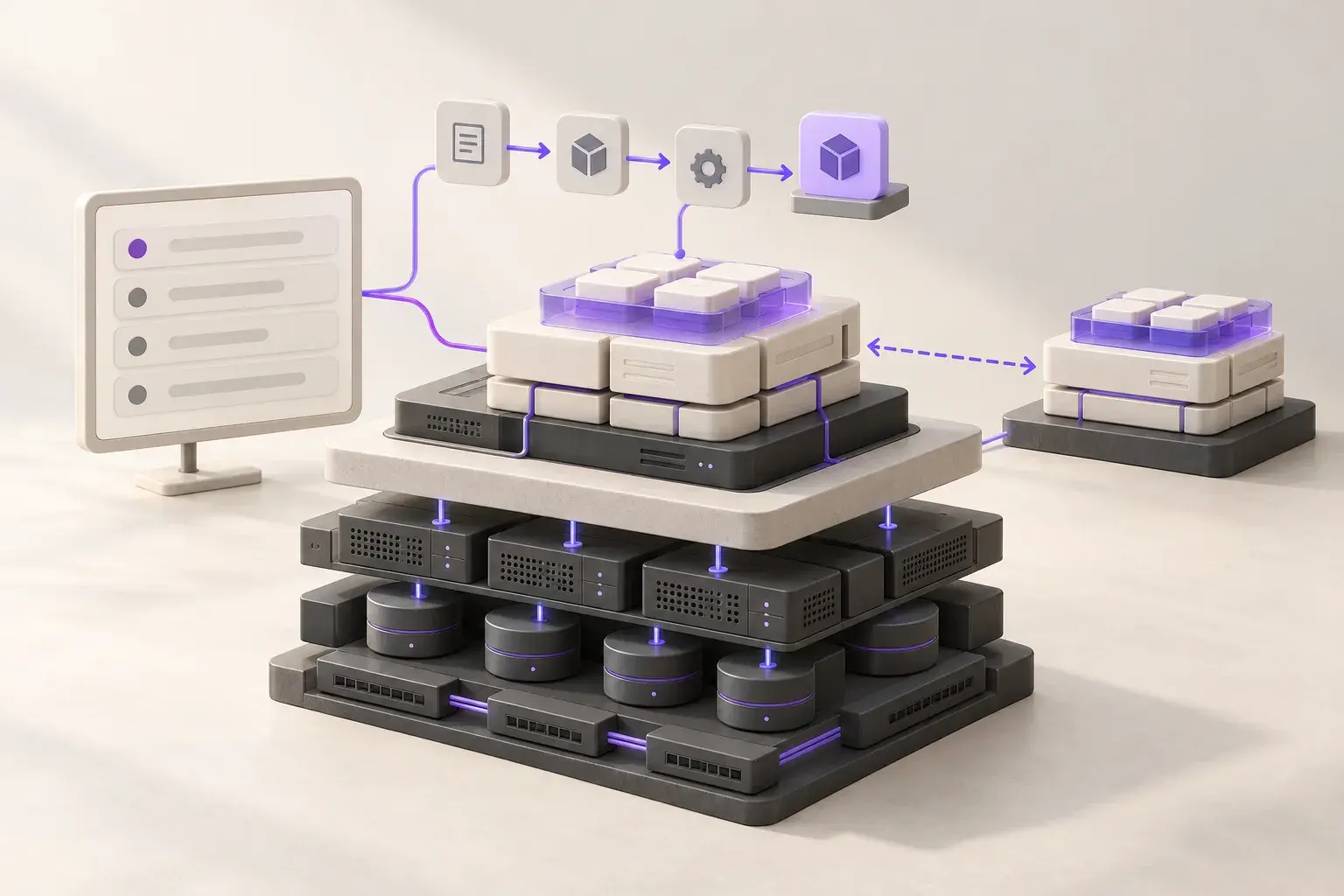
Conceptual illustration of application layers, infrastructure, monitoring and a connected recovery copy
Cloud operations illustration
  • Azure DevOps, Jenkins, Terraform
  • Support from the team that built it
  • Agreed response window

The starting point

When routine changes become difficult to release

Every release is a late evening and somebody holding their breath.

Deployment is manual, so it is different every time and nobody is confident about rolling back.

We found out the system was down because a customer told us.

Nothing is monitored, so the first alert is a phone call and the clock started an hour ago.

The developers who built it moved on and nobody knows how it works.

Knowledge left with the people, because it was never written into a pipeline, a test or a runbook.

What the work includes

Repeatable releases and clear operational support

We assess the application, environments and current release process before defining the support scope. Build checks, deployment steps, monitoring and runbooks make operational responsibilities clear. Coverage and response windows follow the agreed needs of the system.

Explore the delivery process
CI/CD pipelines

Build, test and deploy on Azure DevOps or Jenkins, so releasing is a routine event rather than a scheduled risk.

Automated testing

Unit and integration tests running on every change, which is what makes frequent small releases safer than rare large ones.

Infrastructure as code

Environments defined in Terraform, so staging matches production and a rebuild is repeatable rather than remembered.

Monitoring and alerting

Uptime, error rates and performance watched, with alerts routed to a person rather than to a dashboard nobody has open.

Support retainer with a response window

An agreed time to first response, handled by the team that built the system rather than a separate desk learning it from outside.

Dependency and framework upgrades

Planned rather than deferred, because the cost of a framework upgrade grows the longer it is left.

Make a release repeatable

Record how the application is built, tested and deployed, including its environments and credentials. A pipeline should expose failed checks before a change reaches users. A rollback plan needs to account for data changes as well as the application version.

Cloud services covers the infrastructure decisions behind those releases. Monitoring should make application and connection failures visible to the people responsible for support.

Keep external and AI dependencies under review

An external API, library or model service can change independently of your application. Review provider changes, usage costs and unexpected behaviour where those dependencies exist. Test updates against representative tasks before release.

Support arrangements need coverage hours, response expectations and a clear distinction between defects and new requests. Our guide to support after go-live explains the decisions to settle before the handover.

From discovery to support

From system review to ongoing support

Discuss your requirements
  1. 01Discovery

    We walk your current workflow with the people who run it and record where work stalls, duplicates or waits.

  2. 02Scope and quote

    A fixed price and a dated plan, issued after discovery. Payment runs against milestones.

  3. 03Design

    Review the proposed workflow, interfaces and data requirements before implementation. The design work follows the scope of the project.

  4. 04Build and review

    Implement the agreed scope in short cycles, review the changes and test the behaviour with representative records and exceptions.

  5. 05Integrate and release

    Test the required connections, confirm acceptance with your team and release according to the agreed rollout plan.

  6. 06Support

    The team that built it handles updates, integrations and support calls after go-live.

How we can work together

Projects here typically run between USD 7,500 and USD 15,000 or above, depending on scope. We quote a fixed price after discovery and bill against milestones.

Fixed price

Fits when: Scope is clear and agreed after discovery

Billing: Milestone payments against a dated plan

Dedicated team

Fits when: Scope will evolve, and you want capacity reserved

Billing: Monthly, per named engineer

Support retainer

Fits when: The system is live and needs changes and cover

Billing: Monthly, with an agreed response window

Questions about DevOps & Maintenance

Can you take over a system somebody else built?

Yes, and it is common. We start by reading the codebase and the deployment process, then produce an honest assessment of what needs stabilising first. Taking on a system without that read is how support contracts turn into rewrites nobody budgeted for.

What response times do you commit to?

A response window is agreed in the retainer and sized to what the system does. A production system that stops the shop floor needs a tighter commitment than an internal reporting tool, and pricing follows that rather than a single tier for everything.

Do you provide out-of-hours cover?

It can be included where the system needs it. We ask what happens if the system is unavailable at two in the morning, because the honest answer for many internal systems is that it waits until morning.

Can our own team use the pipeline you build?

Yes, and we set it up expecting that. Where a client has in-house developers, they push to the same pipeline with the same tests. The pipeline being ours to operate is not a dependency we try to create.

How do you handle a security patch on a dependency?

We assess the patch, its urgency and the affected dependencies, then test and release it through the agreed change process. Emergency response and coverage are defined in the support arrangement.

Review the system you need to maintain

Tell us how the application is hosted, how changes reach users and where support breaks down. We can assess the pipeline, monitoring and coverage required.